If you’ve spent any time in the continental versatile dog community, you’ve likely heard someone mention the Small Munsterlander in a hushed, almost conspiratorial tone — like they’re sharing a secret. The breed is rare in North America, intensely loyal to its people, and built for a hunting partnership that feels almost personal. If you already own or are considering a Wirehaired Pointing Griffon, the Small Munsterlander is worth a serious look. These two breeds cover similar ground, but they get there differently.
Both are continental versatile pointing breeds with full‑service credentials — point, retrieve, track. But the Small Munsterlander brings a distinctly close‑working style, a long feathered coat, and a game drive so intense it can catch first‑time owners off guard. This comparison will help you figure out which one fits how you actually hunt and live.
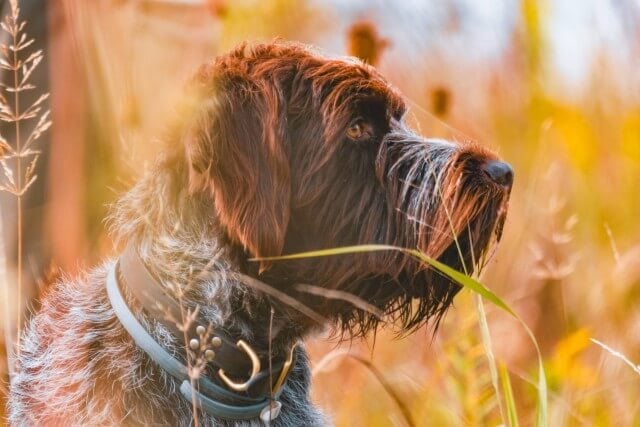
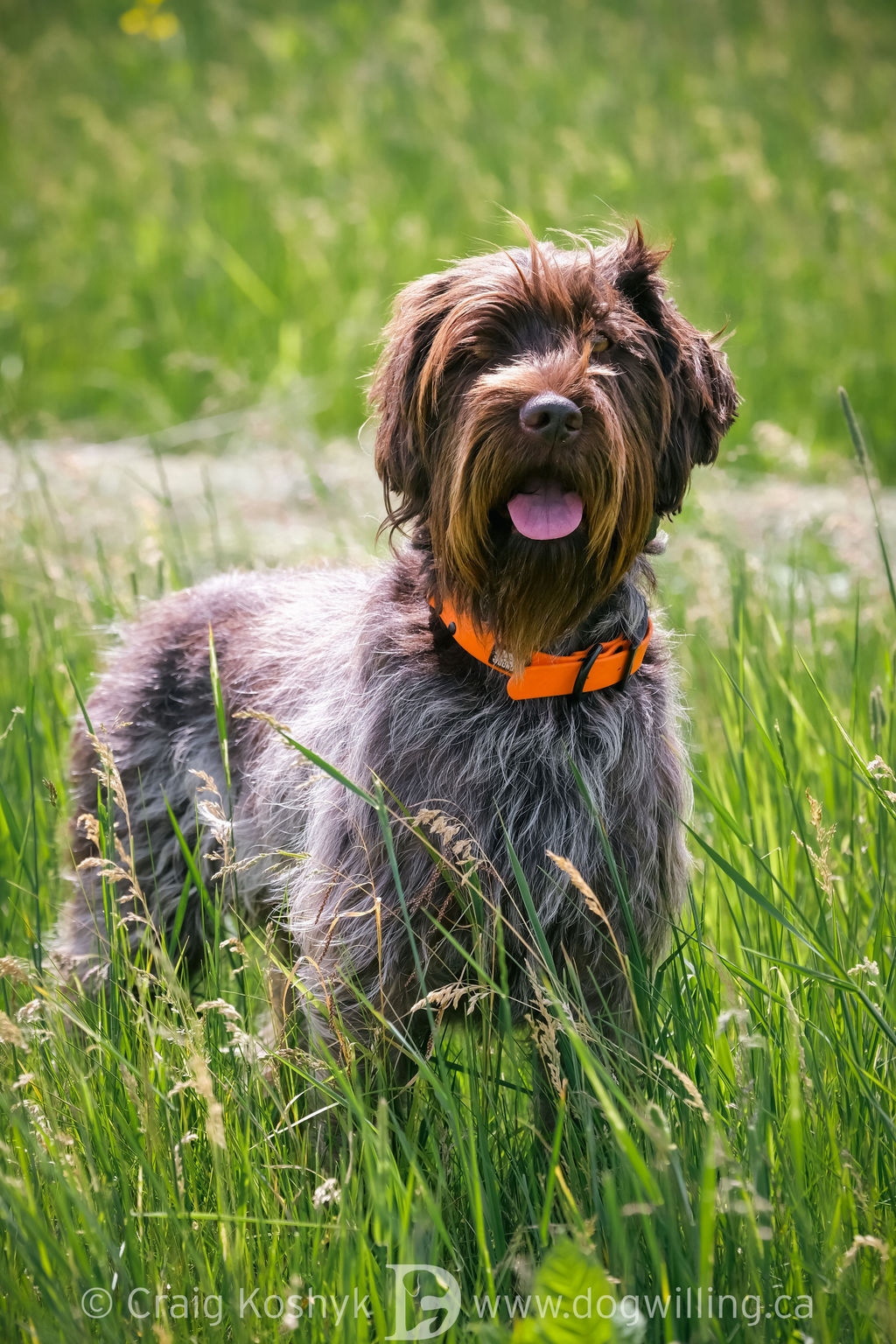
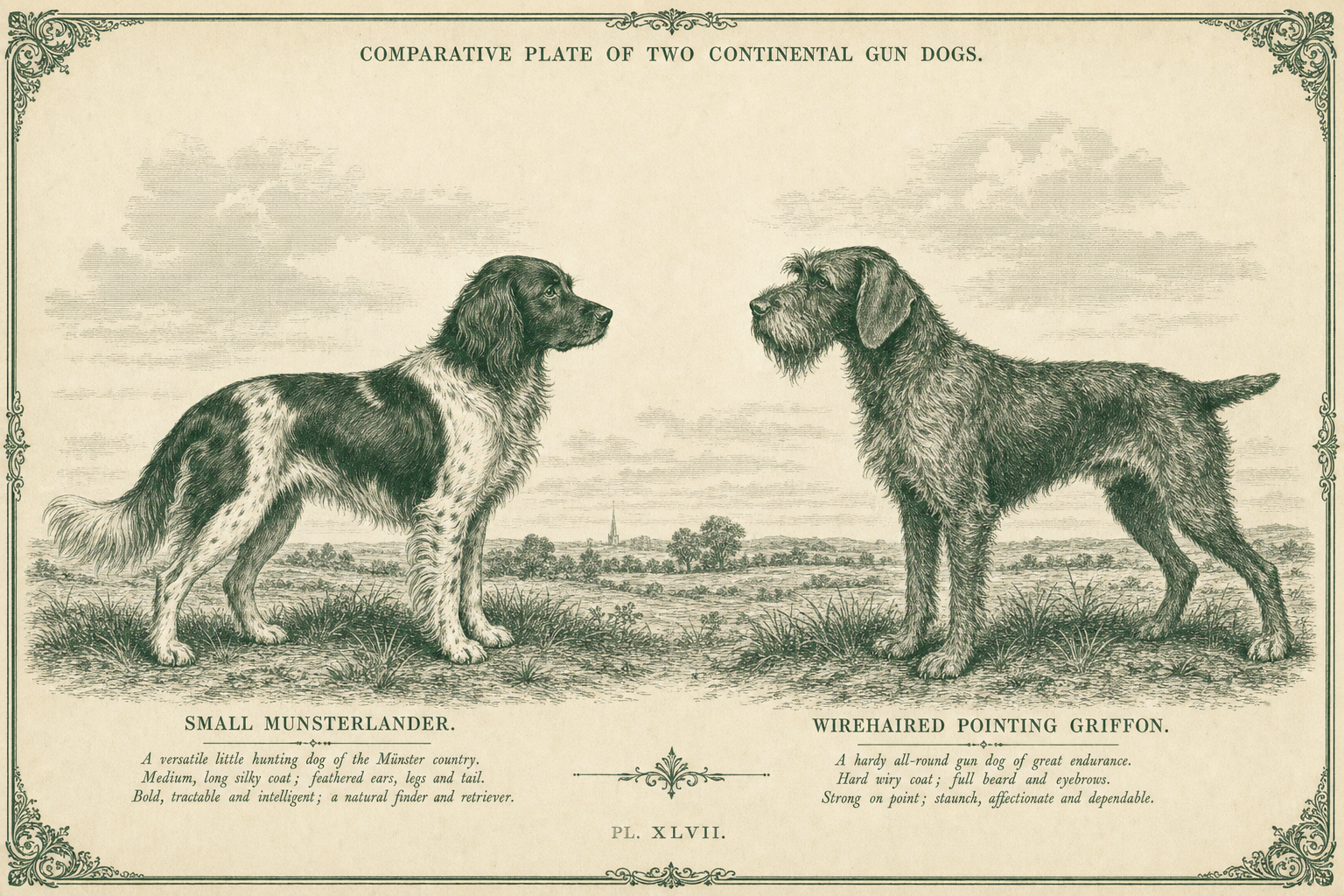
Wirehaired Pointing Griffon vs. Small Munsterlander — two close-working continental versatile breeds.
Hunting Style: Close Contact, Big Commitment
The Small Munsterlander’s average hunting range is roughly 50 yards, with occasional bursts to 200 yards in open terrain. That’s genuinely close — this is a dog that stays connected to the hunter in a way that feels more like a partnership than a performance. The breed was originally developed in the heathlands of Westphalia for quail and partridge, where tight cover demanded a dog that worked with you, not around you.
One notable quirk: pointing instinct development is variable. Some Small Munsterlanders point reliably at four months; others don’t develop a solid point until 15 months. Some have a loose point or an unconventional posture. The Project Upland Small Munsterlander profile treats this as a recognized breed characteristic, not a flaw — but buyers should go in with that understanding. Retrieving, by contrast, is consistent and strong. The breed shows desire to retrieve very early and works confidently on land and water. Blood trailing and big game tracking are also genuine strengths — Small Munsterlanders have been used in Germany for elk and deer trailing and have proven capable trackers of birds and hare in North America.
The WPG, by comparison, has a more reliably consistent point and that signature feline, belly‑to‑ground crouch that’s unlike any other breed. Both dogs work at medium‑to‑close range and suit the on‑foot hunter well. If you want a dog that hunts tight and stays close, both fit. The difference is in the margin: the Small Munsterlander is typically tighter to the gun, while the WPG — especially from French‑influenced lines — may cover a bit more ground. For our full comparison series, see our gundog comparison series.
Interactive Tool
Which test or trial should your dog do next?
Answer a few quick questions about your dog’s age, training and your goals. We’ll point you to the right next step — NAVHDA, an AKC hunt test or field trial, a UKC or NSTRA title, or the conformation ring.
Temperament & Trainability
The Small Munsterlander is described as a highly biddable dog with an energy level that the AKC characterizes as “game drive and energy level is unmatched.” These dogs are “constantly on the hunt” mentally — which means they need sustained outlets and handlers who stay engaged. They can take advantage of an inattentive or overly sympathetic owner. The breed description from the Project Upland profile puts it directly: “owners looking for cookie‑cutter training programs will likely feel disappointed — train at the dog’s pace.”
That said, the Small Munsterlander is genuinely biddable when handled with a firm but gentle touch. NAVHDA is the recommended framework for North American owners, and the breed performs well in that structure. It may take a few seasons to fully click. Passive handlers should take note — this breed rewards engagement and struggles with inconsistency.
The WPG is softer and more forgiving. It’s often called one of the most amateur‑friendly versatile breeds precisely because it responds well to patient, positive handling and rarely shuts down under gentle pressure. The Small Munsterlander demands a bit more from its handler — not in a difficult or stubborn way, but in a “you need to show up for this dog” way.
Coat, Grooming & Health
The Small Munsterlander wears a medium‑length, dense, flat coat with feathering on the legs and chest — brown and white or brown roan. It’s a handsome, practical field coat. Shedding is moderate and seasonal. Grooming needs are moderate: regular brushing, attention to the feathering, and ear cleaning after water work (floppy ears trap moisture and can lead to infection).
Health is generally excellent. The Small Munsterlander Club of North America maintains rigorous breeding standards: OFA hips or PennHIP is required for all breeding dogs, along with CERF eye clearances and temperament evaluations. Documented health concerns include hip dysplasia, hypothyroidism, epilepsy (reported at low rates), and prcd‑PRA (a DNA test is available). The breed size — males 52–56 cm and 35–60 lb, females 50–54 cm and 35–55 lb — makes them compact and athletic. Lifespan is 12–14 years.
The WPG’s harsh, wire double coat requires hand‑stripping once or twice a year to maintain texture. Clipping softens the coat permanently. The beard and moustache are charming but do trap debris. Required health tests include OFA hips, elbows, thyroid, and an annual ACVO ophthalmologist eye exam — as detailed at the AWPGA health page. Both breeds shed minimally. The WPG’s wire coat is lower‑maintenance day‑to‑day but requires more specialized care annually.
Home Life & Space Needs
Both breeds are affectionate, family‑oriented dogs that do best with significant human contact. The Small Munsterlander is described as a dynamic, happy, excellent family dog — friendly, energetic, and genuinely attached to its people. Its moderate‑to‑high velcro tendency means it needs companionship and does not do well as an ignored kennel dog. Daily exercise minimum is 60+ minutes of vigorous activity.
The WPG sits in a similar space: moderately high attachment, very affectionate, good with children and other dogs, and best in a rural or semi‑rural setting with room to move. Both dogs need an active lifestyle with real hunting seasons or substantial off‑season work. Neither is suited to apartment living or long daily isolation.
The Small Munsterlander’s smaller frame (it’s the smallest of the German pointing breeds) can be an advantage in a vehicle, a canoe, or a smaller home. Size alone isn’t a dealbreaker, but for hunters who are weight‑conscious about travel logistics, it’s worth noting.
Rarity: The Practical Consideration
The Small Munsterlander is rare in North America — it holds AKC Foundation Stock Service status, which means it’s not fully AKC recognized. The Small Munsterlander Club of North America is the entry point for buyers, and finding a litter from health‑tested, NAVHDA‑proven parents often requires a waitlist and geographic flexibility. That breeding oversight is exactly why the breed’s health record is so clean — but it does mean you can’t walk into this choice the same way you might a GSP or Lab.
The WPG has a larger North American footprint and more breeders to choose from, though it’s still far less common than the most popular breeds. NAVHDA registration for WPGs has grown 63% in the past decade — the breed’s reputation for health‑tested versatility is building steadily.
Which Dog Fits You?
Choose the Small Munsterlander if you want the closest‑working dog in this comparison, a breed with exceptional blood‑trailing credentials, and you’re willing to seek out a breeder and possibly wait for a litter. If you hunt big game country as well as birds, the Small Munsterlander’s tracking ability is a genuine asset. Go in knowing the pointing instinct may be variable and this dog rewards consistent, engaged handling.
Choose the WPG if you want a dog with a more reliably consistent point, a slightly larger North American breeder network, and a forgiving temperament that makes it one of the most accessible versatile breeds for first‑time continental dog owners. The WPG’s iconic crouching point style and close‑working, do‑everything character are hard to beat for the walking hunter who wants one dog for upland, water, and tracking.
How this article was made: researched and written with AI, then reviewed, edited, and published by Griffons Out West in Belgrade, Montana.
Breed details here are drawn from Project Upland, AKC, and AWPGA; every dog varies by line and breeder, so meet the dogs in person before you decide.